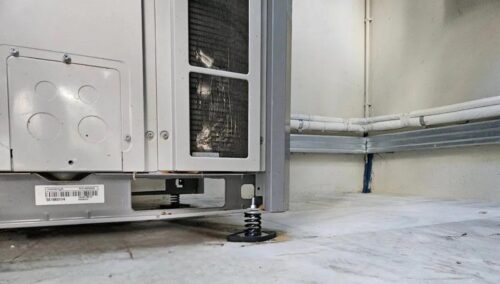
HVAC systems rely on a wide range of mechanical components working together to deliver consistent airflow, temperature control, and system efficiency. HVAC springs are critical to the performance of these systems, providing force, motion control, vibration isolation, and reliable operation across residential, commercial, and industrial equipment.
We manufacture high-quality HVAC springs and wire forms for OEM manufacturers and replacement part suppliers. With decades of experience and the ability to produce everything from prototypes to high-volume production runs, we deliver dependable spring solutions built to meet the demands of modern HVAC systems.
Contact us to learn more or request a quote for spring manufacturing.
What Are HVAC Springs?
HVAC springs are precision-engineered components used in heating, ventilation, and air conditioning systems to control movement, maintain tension, absorb vibration, and ensure proper mechanical function. These springs must operate consistently under repeated cycles, fluctuating temperatures, and varying load conditions.
Because HVAC systems often run continuously, spring components must be designed for durability, reliability, and long service life.
Types of HVAC Springs and Wire Forms
Compression Springs
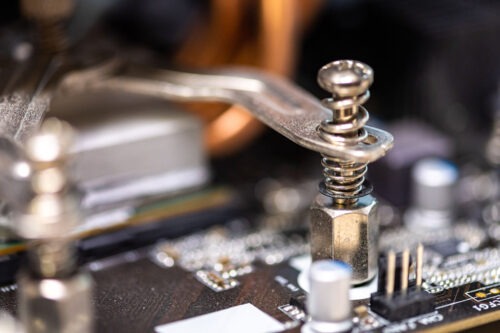
Compression springs are widely used throughout HVAC systems to provide resistance and maintain force under load. Common applications include:
- Valve assemblies and pressure control components
- Dampers and actuators
- Fan and motor mounts
These springs are engineered with precise spring rates to ensure consistent performance and proper system operation.
Extension Springs
Extension springs are used in HVAC equipment where components must return to a specific position after being extended. Typical uses include:
- Belt tensioning systems
- Return mechanisms for dampers and controls
- Door and access panel closures
These springs require carefully designed end configurations and controlled initial tension for reliable function.
Torsion Springs
Torsion springs are used to apply rotational force and are commonly found in:
- Damper control systems
- Hinged access panels
- Mechanical linkages
Their ability to store and release energy makes them ideal for repetitive motion applications within HVAC systems.
Wire Forms
Custom wire forms are essential in HVAC systems for guiding, retaining, and supporting components. Applications include:
- Retention clips and fasteners
- Thermostat and control assemblies
- Cable routing and support structures
Wire forms are engineered to precise geometries and can be tailored to meet exact OEM specifications.
Applications of Springs in HVAC Systems
HVAC springs are used in a wide variety of equipment and components, including:
- Air handlers and blower assemblies
- Compressors and condenser units
- Dampers and ventilation systems
- Thermostats and control devices
- Heat exchangers and valve systems
In these applications, springs play a critical role in maintaining system efficiency, reducing vibration, and ensuring consistent mechanical performance.
Key Design Considerations for HVAC Springs
Material Selection
HVAC springs are often exposed to temperature fluctuations, humidity, and potential corrosion. Materials such as stainless steel, music wire, and coated carbon steels are commonly used to balance strength and environmental resistance.
Learn more about spring material selection.
Corrosion Resistance
Moisture and condensation are common in HVAC environments. Protective coatings and finishes help prevent corrosion and extend the life of spring components.
Fatigue Life
HVAC systems operate through repeated cycles. Springs must be designed to withstand long-term use without failure, requiring proper stress management and manufacturing precision.
Load and Performance Requirements
Accurate spring load and spring rate calculations are essential to ensure proper system function. Springs must deliver consistent force without excessive deflection or permanent set.
For more technical insight, visit our spring rate guide.
Common Challenges in HVAC Applications
Vibration and Noise
HVAC systems generate vibration that can lead to noise and wear. Properly designed springs help isolate vibration and improve system performance.
Temperature Variations
Components must perform reliably across a range of temperatures. Material selection and design are critical to maintaining consistent performance.
Corrosion and Moisture Exposure
Condensation and humidity can degrade components over time. Using corrosion-resistant materials and finishes helps extend service life.
OEM Compatibility and Fit
Springs must meet exact specifications to integrate properly into HVAC assemblies. Tight tolerances and consistent manufacturing are essential.
Learn more about spring tolerance analysis.
Frequently Asked Questions About HVAC Springs
What types of springs are used in HVAC systems?
Compression, extension, and torsion springs, along with custom wire forms, are commonly used in HVAC equipment.
Are HVAC springs custom designed?
Yes. Many HVAC springs are engineered to meet specific OEM requirements for load, size, and environmental conditions.
What materials are best for HVAC springs?
Stainless steel is often used for corrosion resistance, while music wire provides high strength. Coated materials are also used to improve durability. Learn more about spring material selection.
How do HVAC springs improve system performance?
They help control motion, maintain tension, reduce vibration, and ensure consistent operation of mechanical components.
Partner with a Trusted HVAC Springs Manufacturer
When HVAC system performance depends on precision and reliability, you need a spring manufacturer with proven expertise. Wermke Spring Manufacturing Company has been delivering high-quality spring solutions since 1953, serving OEMs and suppliers across a wide range of industries.
Whether you need custom HVAC springs, wire forms, or high-volume production, our team is ready to help you achieve reliable, long-lasting performance.
Contact Wermke Spring today at (636) 677-5500 or reach out online to discuss your application and discover how we can support your next project.