
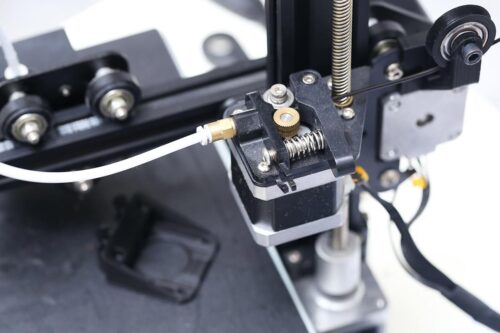
Precision, consistency, and repeatability are essential in the printing industry. Printing springs are critical components used in commercial printing presses, packaging equipment, and high speed production systems to control motion, maintain tension, and ensure accurate print quality.
From offset printing presses to digital and flexographic systems, springs play a key role in maintaining alignment, pressure, and timing across complex mechanical assemblies. At Wermke Spring, we manufacture high precision printing springs engineered to meet the tight tolerances of our customers’ specifications and perform reliably in high cycle environments. Contact us to learn more or request your spring manufacturing quote.
How Printing Springs Are Used in Printing Equipment
Modern printing systems operate at high speeds with extremely tight tolerances. Even minor inconsistencies can affect print quality, registration, and equipment performance. Springs are used throughout these systems to maintain control and stability.
Common applications include:
- Print head positioning and pressure control
- Roller tensioning and alignment systems
- Paper feed and transport mechanisms
- Ink system control components
- Return mechanisms in moving assemblies
These applications require springs that deliver consistent force, minimal variation, and long cycle life.
Types of Springs Used in Printing Applications
Selecting the correct spring type is essential for achieving precision and reliability in printing systems.
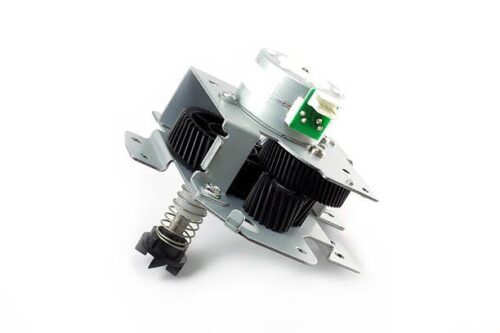
Compression Springs
Compression springs are used where controlled force is required to maintain pressure or spacing between components.
Typical uses include:
- Print head pressure control
- Roller spacing and alignment
- Shock absorption in moving assemblies
Learn more about compression springs.
Extension Springs
Extension springs provide tension and are commonly used in return mechanisms and tensioning systems.
Applications include:
- Paper feed systems
- Belt and roller tensioning
- Mechanical return systems
Learn more about extension springs.
Torsion Springs
Torsion springs generate rotational force and are used in pivoting or hinged components.
Common uses include:
- Lever and linkage systems
- Hinged covers and access panels
- Rotational positioning mechanisms
Learn more about torsion springs.
Engineering Considerations for Printing Springs
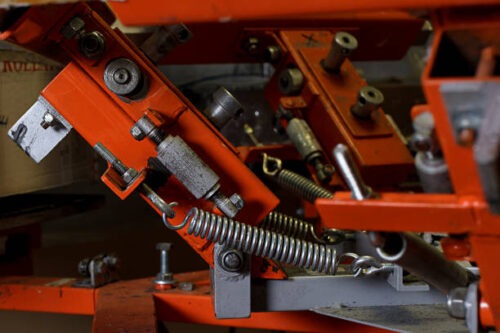
Printing equipment demands a high level of precision and consistency. Designing effective printing springs requires attention to several key factors.
Tight Tolerances and Precision
Printing systems require springs with minimal variation in load and deflection. Tight tolerances are essential to maintain consistent print quality and machine performance.
Learn more about spring tolerance analysis.
High Cycle Fatigue Resistance
Printing equipment operates continuously, often running thousands or millions of cycles. Springs must be designed for long fatigue life to prevent failure and downtime.
Consistent Spring Rate
Accurate and repeatable spring rate ensures consistent pressure and alignment, which directly impacts print quality.
Material Selection
Materials such as music wire, stainless steel, and specialty alloys are selected based on required strength, corrosion resistance, and performance characteristics.
Learn more about spring materials selection.
Corrosion and Wear Resistance
Exposure to inks, solvents, and environmental factors requires springs to be resistant to corrosion and wear.
Common Challenges in Printing Equipment
Inconsistent Print Quality
Variations in spring performance can lead to uneven pressure, resulting in poor print quality or misalignment.
High Cycle Wear and Fatigue
Continuous operation can cause springs to weaken or fail if not properly designed for fatigue resistance.
Chemical Exposure
Inks and cleaning solvents can degrade certain materials, making proper material selection critical.
Precision Requirements
Small deviations in spring dimensions or performance can have significant impacts on equipment operation.
Partnering with an experienced spring manufacturer helps ensure these challenges are addressed through precise engineering and quality control.
Frequently Asked Questions About Printing Springs
What materials are best for printing springs?
Common materials include music wire for high strength applications and stainless steel for corrosion resistance in environments with exposure to inks and solvents.
Why is spring consistency important in printing equipment?
Consistent spring performance ensures even pressure, proper alignment, and high quality print output.
Can printing springs be custom designed?
Yes. Custom springs can be engineered to meet exact specifications for load, size, and performance requirements.
How do you improve fatigue life in high speed printing systems?
Fatigue life can be improved through proper design, material selection, and processes such as stress relief and shot peening.
Partner with Wermke Spring for Precision Printing Springs
High performance printing springs are essential for maintaining accuracy, consistency, and efficiency in modern printing equipment. The right spring design ensures reliable operation and high quality output in demanding production environments.
Wermke Spring brings decades of experience in precision spring manufacturing. We work closely with equipment manufacturers to deliver custom solutions that meet tight tolerances and exact performance requirements.
If you are designing or manufacturing printing equipment, contact Wermke Spring today.
Call (636) 677-5500 or contact our spring manufacturing team online to learn more about our capabilities and how we can support your next project.