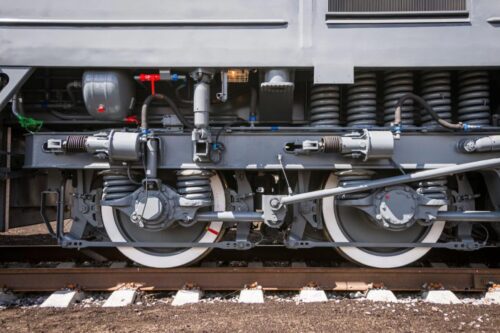
Rail systems demand extreme durability, precision, and long-term reliability. Railway springs play a critical role in ensuring safe and efficient operation across freight trains, passenger rail systems, and specialized rail equipment. From absorbing vibrations to maintaining proper load distribution, springs are essential components in modern rail infrastructure.
At Wermke Spring, we can manufacture high performance railroad springs, rail springs, and train coil springs designed to meet the demanding conditions of railway applications. Our custom engineered solutions are built to perform under heavy loads, constant vibration, and harsh environmental exposure. To learn more or consult with our spring manufacturing team for your next project, contact us today.
How Railway Springs Are Used in Rail Systems
Railway equipment operates under continuous stress, including dynamic loading, vibration, and environmental exposure. Springs are used throughout rail systems to improve performance, protect components, and enhance safety.
Common applications include:
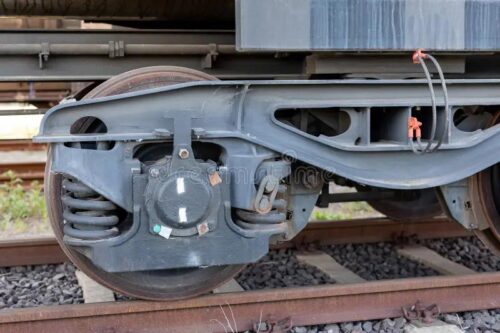
- Suspension systems in railcars and locomotives
- Brake systems and return mechanisms
- Coupler assemblies and shock absorption units
- Track and rail fastening systems
- Vibration isolation for sensitive components
These applications require springs that can maintain consistent performance over millions of load cycles while withstanding extreme conditions.
Types of Railway Springs
Different types of springs are used depending on the specific rail application and performance requirements.
Torsion Springs
Torsion springs are used in rail systems where rotational force is needed. They are commonly found in mechanical linkages and control systems.
Typical uses include:
- Brake mechanisms
- Latch and locking systems
- Hinged components
Extension Springs for Rail Connections and Coupling Systems
In railway and railcar systems, extension springs play an important role in maintaining tension, alignment, and controlled movement between connected components. These springs are commonly used in coupling assemblies, safety linkages, and connection mechanisms where consistent tensile force is required.
Extension springs used in railway applications are engineered to handle:
- Repeated loading and unloading cycles during coupling and decoupling
- Vibration and shock from rail movement and track irregularities
- High dynamic loads caused by acceleration, braking, and train slack action
In coupling systems, extension springs help absorb shock loads and maintain proper tension between connected cars, reducing wear on mechanical components and improving system longevity. They are also used in auxiliary systems such as latch mechanisms, safety restraints, and connection hardware.
From a design perspective, these springs often require:
- High fatigue resistance to withstand millions of cycles
- Controlled initial tension to ensure immediate load response
- Durable end configurations such as machine hooks or crossover loops for secure attachment
Wermke Spring manufactures custom extension springs designed specifically for rail and transportation environments, ensuring reliable performance under demanding operating conditions.
Spring Clips for Transit Seating Systems
Another specialized application for railway springs is in transit seating systems, where spring clips and wire forms are used to secure, support, and retain seat components.
Producing advanced seating systems for trains must meet strict standards for safety, durability, and passenger comfort. These seating systems include numerous mechanical components such as clips, retainers, and fastening elements that rely on precision spring design.
Spring clips used in transit seating serve several critical functions:
- Securing upholstery, cushions, and seat frames
- Providing retention and flexibility for modular seat assemblies
- Allowing for quick installation and maintenance
- Absorbing vibration to reduce noise and wear
Because train seating systems are subject to constant use, vibration, and passenger load, these clips must be engineered for long-term durability and consistent performance. In many cases, custom wire forms and spring clips are designed to meet exact specifications for fit, retention force, and fatigue life.
Additionally, modern train seating systems prioritize lightweight construction, ergonomic design, and space efficiency, which places even greater importance on precision-engineered spring components.
At Wermke Spring, we work closely with manufacturers to produce high-quality spring clips and wire forms that integrate seamlessly into advanced transit seating systems. Our ability to manufacture tight-tolerance components ensures proper fit and function in these highly engineered assemblies.
Engineering Considerations for Railway Springs
Designing reliable railway springs requires careful attention to performance, safety, and environmental factors.
High Load and Stress Requirements
Rail systems involve extremely heavy loads. Springs must be designed to handle both static and dynamic forces without permanent deformation.
Fatigue Resistance and Longevity
Railway springs are subjected to millions of load cycles. Proper material selection and manufacturing processes are essential to ensure long fatigue life.
Vibration and Shock Absorption
Continuous vibration and impact forces must be effectively managed to protect equipment and improve ride stability.
Corrosion Resistance
Exposure to weather, moisture, and environmental contaminants requires corrosion resistant materials or protective coatings to ensure durability.
Precision and Safety
Railway applications require tight tolerances and consistent performance to meet strict safety standards and operational requirements.
Common Challenges in Railway Applications
- Fatigue Failure Over Time: Repeated stress cycles can lead to material fatigue if springs are not properly designed and manufactured.
- Environmental Exposure: Moisture, temperature fluctuations, and contaminants can degrade spring performance over time.
- High Impact Loads: Rail systems experience sudden impacts that can damage improperly designed springs.
- Maintenance and Downtime: Spring failure can result in costly repairs and operational disruptions, making reliability a top priority.
Working with an experienced manufacturer helps ensure these challenges are addressed through proper engineering and quality control.
Frequently Asked Questions About Railway Springs
What materials are used in railway springs?
Railway springs are typically made from high strength alloy steels such as chrome silicon or oil tempered wire to provide durability and fatigue resistance. Learn more about common spring materials.
How are railway springs tested for reliability?
Springs are tested for load capacity, fatigue life, and performance under simulated operating conditions to ensure they meet industry standards.
Can railway springs be custom engineered?
Yes. Custom designs are often required to meet the specific performance and dimensional requirements of rail systems. Learn more about our custom spring manufacturing capabilities.
How do you protect railway springs from corrosion?
Protective coatings and material selection are used to improve resistance to environmental exposure and extend service life.
Partner with Wermke Spring for Precision Railway Springs
High quality railway springs, railroad springs, and train coil springs are essential for safe and reliable rail operations. The right spring design improves load management, reduces wear, and ensures long term performance in demanding environments.
Wermke Spring has decades of experience manufacturing precision springs for transportation and industrial applications. We work closely with engineers and manufacturers to deliver custom solutions that meet exact specifications and performance requirements.
If you are designing or maintaining rail systems, call (636) 677-5500 or contact us online to learn more about our capabilities and how we can support your next project.