
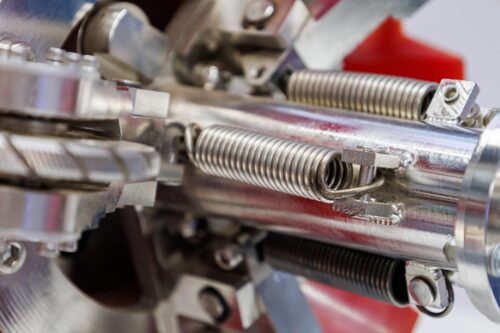
High-Performance Technical Springs Engineered for Precision and Reliability
As modern technology continues to evolve, the demand for highly engineered, precision components has never been greater. Technical springs play a critical role in ensuring the performance, reliability, and longevity of advanced systems across industries such as telecommunications, robotics, medical equipment, aerospace, and automation. At Wermke Spring Manufacturing Company, we specialize in manufacturing high-quality technical springs tailored to meet the exact requirements of today’s most demanding applications and the engineers that design them.
With decades of experience and the ability to produce everything from prototypes to high-volume production runs, we are a trusted partner for companies that require dependable spring solutions for modern technology.
Contact us today to request a quote for your spring manufacturing project or consult with our team.
What Are Technical Springs?
Technical springs refer to precision-engineered springs designed for specialized applications where tight tolerances, consistent performance, and material integrity are essential. These springs are often used in environments where even minor variations in force, deflection, or geometry can impact overall system performance.
Unlike standard springs, technical springs are typically custom-designed to meet specific load requirements, environmental conditions, and space constraints. They are manufactured using advanced materials and processes to ensure repeatability, durability, and high performance over extended service life.
Types of Technical Springs for the Technology Industry
Wermke Spring can manufactures a wide range of technical springs to support modern technology applications, including:
Compression Springs
Compression springs are commonly used in electronic devices, connectors, and mechanical assemblies where controlled resistance to compressive forces is required. These springs are designed with precise spring rates to ensure consistent load performance.
Extension Springs
Extension springs are used in applications where components need to return to a specific position after being pulled apart. They are often found in cable management systems, small mechanisms, and control assemblies.
Torsion Springs
Torsion springs are designed to operate under rotational forces and are commonly used in hinges, switches, and rotating components in technological devices. Their ability to store and release angular energy makes them ideal for compact, high-functioning systems.
Wire Forms
Custom wire forms are frequently used in technical applications for guiding, retaining, or supporting components. These parts are engineered to precise specifications and can be manufactured in complex geometries.
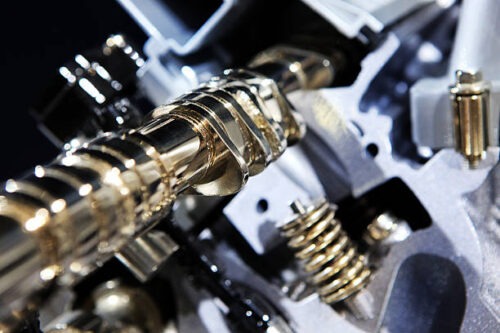
Applications of Technical Springs in Modern Technology
Technical springs are essential components in a wide range of industries and applications, including:
- Electronic connectors and contacts
- Battery compartments and retention systems
- Medical and diagnostic equipment
- Robotics and automation systems
- Telecommunications equipment
- Aerospace and defense technology
- Consumer electronics and smart devices
In these applications, springs must deliver consistent performance under repeated cycles, often in compact spaces and challenging environments.
Key Design Considerations for Technical Springs
When designing technical springs, several critical factors must be considered to ensure optimal performance:
Material Selection
Material choice is crucial for achieving the desired mechanical properties and environmental resistance. Common materials include stainless steel, music wire, phosphor bronze, and specialty alloys for corrosion resistance or high-temperature applications.
Learn more about spring material selection.
Tolerances and Precision
Technical springs often require tight tolerances to ensure proper fit and function within complex assemblies. Variations in wire diameter, coil spacing, and free length must be carefully controlled.
Learn more about spring tolerance analysis.
Load and Deflection Requirements
Accurate calculation of spring load and deflection is essential. The spring rate (k) must be precisely engineered to meet performance requirements without exceeding material limits.
Learn more about calculating spring load and rate.
Fatigue and Cycle Life
Many technical applications involve repeated motion. Springs must be designed to withstand high cycle counts without failure, which requires proper stress management and, in some cases, surface treatments such as shot peening.
Environmental Conditions
Exposure to moisture, chemicals, temperature extremes, or vibration can impact spring performance. Selecting the right material and finish helps protect against corrosion and degradation.
Common Challenges and How We Solve Them
Inconsistent Performance
Variations in spring performance can lead to product failures. We use advanced manufacturing processes and strict quality control to ensure consistency across every production run.
Tight Space Constraints
Modern technology often requires compact designs. Our team specializes in engineering springs that deliver required performance within limited space.
Material Limitations
Certain applications demand materials with unique properties. We work with a wide range of specialty alloys to meet specific environmental and performance requirements.
Rapid Prototyping Needs
Speed to market is critical. We offer fast turnaround on prototypes so you can test and refine designs quickly before full production.
Frequently Asked Questions About Technical Springs
What industries use technical springs?
Technical springs are used in electronics, medical devices, aerospace, telecommunications, robotics, and many other high-tech industries.
Can technical springs be customized?
Yes. Most technical springs are custom-designed to meet specific application requirements, including size, load, material, and environmental conditions.
What materials are best for technical springs?
The best material depends on the application. Stainless steel is often used for corrosion resistance, while music wire offers high strength. Specialty alloys are used for extreme environments.
How do you ensure quality and consistency?
We maintain strict quality control standards throughout the manufacturing process, including material inspection, in-process checks, and final testing.
What is the typical lead time?
Lead times vary depending on complexity and quantity, but we offer rapid prototyping and efficient production to meet your timelines.
Partner with a Trusted Technical Springs Manufacturer
When your application demands precision, reliability, and performance, you need a spring manufacturer with the experience and capability to deliver. Wermke Spring Manufacturing Company has been providing high-quality spring solutions since 1953, serving both small businesses and Fortune 500 companies across the Midwest and nationwide.
Whether you need a single prototype or millions of parts, our team is ready to help you design and manufacture the right technical springs for your application.
Contact Wermke Spring today at (636) 677-5500 or reach out online to discuss your project and discover how we can support your success with expertly engineered technical springs.